


Can Diabetes Cause Tinnitus?
It’s likely that we all know someone with diabetes—after all, roughly 38 million people in the United States (about 11.6% of the population) are living with this condition. Diabetes is a disorder where the body struggles to regulate blood sugar due to issues with insulin, the hormone responsible for helping glucose enter cells for energy.
There are two main types of diabetes:
- Type 1 Diabetes: Often diagnosed in childhood or early adulthood, this occurs when the body produces little to no insulin due to an autoimmune response.
- Type 2 Diabetes: The more common type, typically diagnosed in adults and often linked to factors such as weight, lifestyle, and genetics, where the body becomes resistant to insulin or doesn’t produce enough of it.
While most people are familiar with diabetes’ effects on blood sugar, fewer are aware of its surprising connections to other aspects of health, like hearing. Yes, your ears might be more affected by diabetes than you think.
How Diabetes Affects the Body
Diabetes is a condition that can affect nearly every part of the body, often leading to complications that aren’t immediately obvious. Over time, high blood sugar levels can damage blood vessels and nerves, disrupting the body’s ability to function properly. Here’s a breakdown of how diabetes can impact different areas:
- Eyes: High blood sugar can damage the small blood vessels in the eyes, leading to diabetic retinopathy, which can cause vision problems and, if left untreated, blindness.
- Nerves: Diabetic neuropathy occurs when high blood sugar damages the nerves, leading to pain, tingling, or numbness, particularly in the hands and feet, affecting mobility and daily tasks.
- Brain: Research suggests that diabetes may increase the risk of cognitive decline and conditions like dementia. High blood sugar levels and poor circulation can damage the brain’s blood vessels and nerves, potentially impairing memory and overall cognitive function.
- Heart: Diabetes increases the risk of heart disease due to high blood pressure, elevated cholesterol, and other cardiovascular issues. Poor circulation can also strain the heart over time.
- Kidneys: Diabetes can damage the blood vessels in the kidneys, potentially leading to kidney disease and, in severe cases, kidney failure.
- Extremities: Nerve and blood vessel damage can slow circulation, resulting in poor wound healing, infections, and, in extreme cases, amputations.
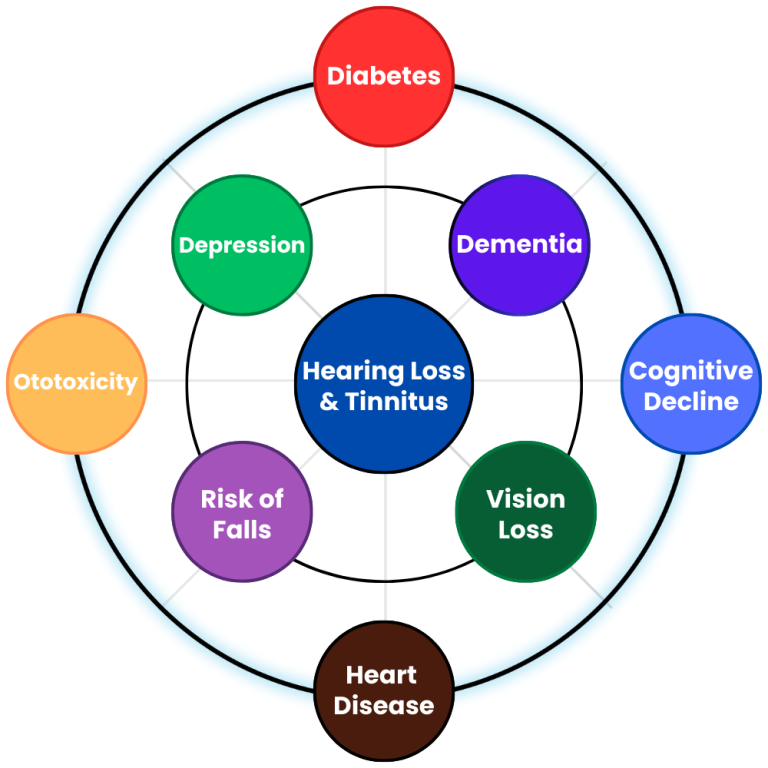
But what about your ears? Hearing health is often overlooked, yet diabetes can have a surprising impact on this vital sense.
The Link Between Diabetes, Hearing Loss & Tinnitus
Diabetes doesn’t just impact your heart, kidneys, and nerves—it can also harm your hearing. Over time, high blood sugar levels can restrict blood flow to the inner ear, damaging the delicate structures responsible for processing sound. Additionally, nerve damage from diabetic neuropathy can impair the auditory nerves, making it harder to hear or interpret sounds clearly. Research shows that adults with diabetes are up to twice as likely to experience hearing loss compared to those without the condition.
But hearing loss is not the only auditory concern for people with diabetes. Another common complication is tinnitus—a persistent ringing or buzzing in the ears—caused by reduced blood flow and nerve damage in the inner ear.
Tips for Prevention
Here are some tips for preventing and managing tinnitus and hearing loss related to diabetes:
- Manage Blood Sugar Levels: Keep blood sugar within a healthy range to reduce the risk of nerve damage and poor circulation that contribute to tinnitus and hearing loss.
- Regular Check-Ups: Visit your healthcare provider regularly to monitor your diabetes and catch complications, including changes in hearing, early.
- Protect Your Ears: Avoid exposure to loud noises and wear ear protection, like earplugs or noise-canceling headphones, when in noisy environments.
- Monitor Blood Pressure: Control blood pressure to reduce the risk of damage to blood vessels and nerves, which helps protect hearing.
- Adopt a Healthy Lifestyle: Eating a balanced diet, exercising, and avoiding smoking can improve circulation and support ear health.
Management and Treatment for Tinnitus
Tinnitus can be a frustrating condition, especially when linked to diabetes or other health complications. While managing blood sugar and overall health is essential, specialized care for tinnitus can significantly improve your quality of life. At Hope Hearing and Tinnitus Center, we focus on providing tailored treatment options that address the unique challenges of tinnitus.
How We Can Help
- Comprehensive Hearing & Tinnitus Evaluation: Our expert providers will conduct a thorough assessment to determine the severity and underlying causes of your hearing loss and tinnitus, including potential links to diabetes-related nerve damage or circulation issues.
- Sound Therapy Solutions: We offer a customized sound therapy treatment plan designed to reduce the perception of ringing and improve your everyday auditory experience.
- Hearing Devices for Dual Benefits: If hearing loss accompanies your tinnitus, our advanced hearing devices can enhance the sounds you want to hear and help communication while also delivering the therapy needed to reduce and manage your tinnitus.
- Custom Treatment Plan: We will provide the guidance and support needed to improve your tinnitus and auditory needs to produce a better quality of life! Most people don’t know how much their tinnitus was bothering them until it was better.
Why Choose Hope Hearing and Tinnitus Center?
At Hope Hearing and Tinnitus Center, we believe in empowering patients to regain control of their hearing health, especially when conditions like diabetes complicate the picture. Our compassionate team offers evidence-based solutions tailored to your unique needs, helping you reduce tinnitus symptoms, address hearing loss, and improve your overall quality of life.
Don’t wait until symptoms worsen—early intervention is key. Schedule an appointment today to start your journey toward better hearing, healthier living, and peace of mind.