EYE STRAIN AND MENTAL FATIGUE? THE CONNECTIONS TO HEARING LOSS YOU MAY BE MISSING
When people think about hearing loss, they usually think about volume. Sounds getting quieter, words being missed, or the TV being turned up a little louder than before. What’s less obvious is that hearing challenges aren’t always felt in the ears alone.
For many people, the first signs show up elsewhere. Mental fatigue, difficulty focusing, or even persistent eye strain. If you’ve been searching for answers about tired eyes or end-of-day exhaustion, hearing may not be the first thing that comes to mind. But it could be part of the picture.
How Hearing and Vision Work Together
Hearing and vision work together more than most people realize. During conversations, the brain blends what it hears with what it sees, such as facial expressions, lip movement, and body language, to make sense of speech. When hearing is clear, this process is automatic and effortless.
When hearing becomes even slightly strained, the brain adapts quietly. Without realizing it, you may start relying more heavily on visual cues. You might focus intensely on people’s faces, watch mouths more closely, or feel like you have to concentrate just to keep up. Over time, that extra visual effort can contribute to eye fatigue and mental exhaustion.
Many people don’t think of this as a hearing issue because they can still hear. They just feel worn out afterward.
The Mental Effort Behind Everyday Conversations
Understanding speech in real life is complex. When sounds aren’t as clear as they once were, the brain fills in missing pieces using context, memory, and visual cues. This constant problem-solving requires energy, even when you’re not consciously aware it’s happening.
People who experience this often describe feeling tired in ways they didn’t expect. Eye strain or headaches after conversations are common, along with mental fatigue at the end of social situations or workdays.
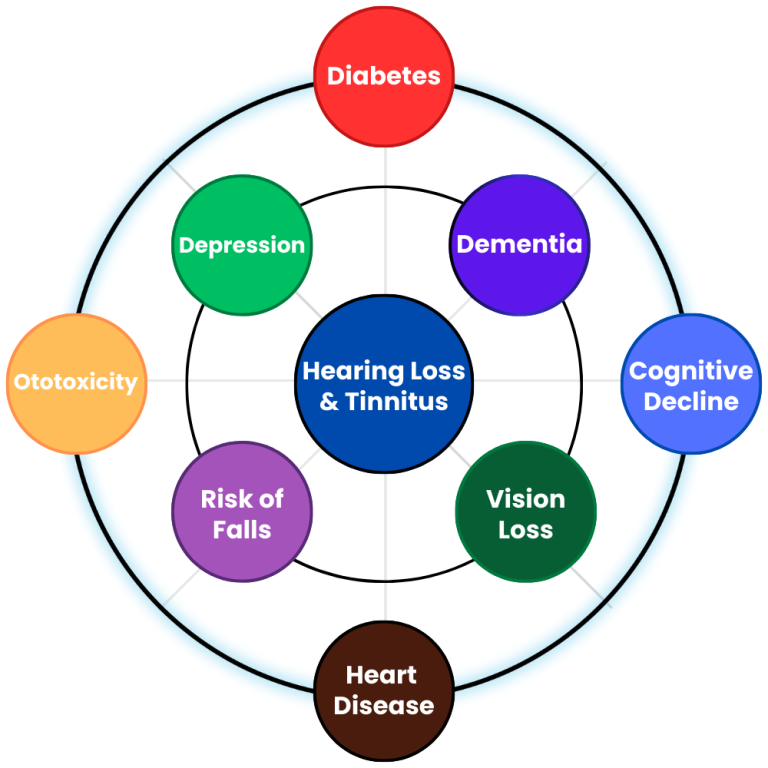
These experiences aren’t signs of poor focus or simply getting older. They’re signs the brain is compensating. Eye strain is just one example of how untreated hearing loss can affect more than communication alone. Hearing challenges are also associated with increased mental fatigue, difficulty concentrating, and changes in balance.
Over time, that added strain on the brain matters. Research has shown that untreated hearing loss places additional demands on the brain and is associated with changes in cognitive health as we age. That’s why hearing is increasingly viewed as part of overall brain health, not just communication. Supporting hearing can help reduce the brain’s workload, which may be beneficial both in daily life and over the long term.
Tinnitus and the Brain’s Breaking Point
If you also experience tinnitus, such as ringing, buzzing, or other sounds in the ears, this sensory effort can feel even more noticeable. Tinnitus is closely tied to how the brain processes sound, and when the brain is fatigued or overloaded, those internal sounds can feel louder or harder to ignore.
Many people notice tinnitus becomes more prominent during moments of intense concentration or at the end of the day, when mental energy is already depleted. Once again, the eyes aren’t the cause. The overall sensory workload may be amplifying the experience.
If This Feels Familiar, Hearing May Be Part of the Answer
If you started reading this because of eye strain or trouble focusing, it may be worth considering your hearing—especially if you’ve also noticed:
Conversations feel more tiring than they used to
Background noise makes it hard to follow speech
These are often early signs that hearing clarity is placing extra demands on the brain.
Helping Your Brain Work Smarter, Not Harder
When hearing is better supported, many people notice meaningful changes. Conversations feel easier to follow. They don’t have to concentrate as hard. By the end of the day, they often feel less drained and more like themselves again.
At Hope Hearing & Tinnitus Center, we specialize in helping people understand how hearing challenges may be affecting their daily life, even in unexpected ways like eye strain, mental fatigue, tinnitus, or concerns about long-term brain health. You don’t have to sort through this alone.
If you’ve been searching for answers and haven’t found them yet, we can help. A comprehensive hearing evaluation allows us to look at the full picture and guide you toward solutions that support not just your hearing, but your overall well-being.