Apple AirPods as Hearing Devices? Innovation with Limitations
From Macs to iPhones, iPods to watches, and now streaming services to spatial reality headsets, everyone knows the largest company in the world. Founded in 1976, Apple has become a pioneer of innovation in consumer electronics, and now they have officially decided to dip their toes into the world of hearing health.
From Music to Hearing Health
The path for this began in the early 2000’s with the launch of iTunes and the iPod – creating Apple’s connection to the music industry. Back then, their signature white headphones became iconic, even though they weren’t designed for high-quality sound. In 2012, Apple introduced the EarPods, which were better designed for comfort and improved sound. By late 2016, Apple revolutionized the market again with the launch of the AirPods—its first wireless headphones. Though initially met with skepticism, AirPods quickly became a cultural staple for iPhone users.
Since then, Apple has continued to innovate with the AirPods Pro, an upgraded version of the AirPods with both noise cancellation and transparency mode. And this fall, Apple will take another leap forward with a suite of hearing-focused features in their latest model, the AirPods Pro 2, including a hearing test, active hearing protection, and even a basic hearing aid function. While these features mark a promising shift toward hearing health awareness, they should not be used as a substitute for professional audiologists or fitted devices. For those that suffer from tinnitus orhearing loss, these options – much like over-the-counter (OTC) solutions – cannot provide the same level of care and personalization as a properly fitted device from a hearing health professional.
Hearing Features in Airpods pro 2
If you already own the AirPods Pro 2 or are considering getting them, here are some of the new hearing health features they will offer:
Hearing Tests at Home
Millions of people experience hearing loss, and even more don’t schedule regular hearing tests. Apple’s new at-home hearing test resembles the one you might have taken as a child—without the need for a booth, equipment, or a doctor’s appointment. Hearing health providers discourage this type of testing, as it is performed outside of a controlled environment and lacks the instruments for proper auditory testing. This test also does not provide a professional diagnosis, which one would receive through a hearing care professional.
A proper auditory evaluation, including hearing screening, allows providers to understand the complexity of hearing loss and make an accurate diagnosis. The tests used to accomplish this include the following:
Speech and noise testing: to determine how well one understands speech in complex environments.
Bone conduction testing: to evaluate if there are issues with the tiny hair cells in the inner ear.
Pure-tone testing: to identify the quietest volume one can hear at certain pitches.
Additionally, cognition has also been linked to the auditory system and cognitive screening evaluations have become standard at Hope Hearing & Tinnitus Center.
Active Noise Protection
There are loud noises everywhere! Whether you are at a sporting event, commuting to work, or even doing a household chore like vacuuming, it doesn’t take much to reach an excessive sound level. With the new Apple update, you can “tone down” some of those sounds while still hearing what’s happening around you. This feature could be an appealing alternative to earplugs, offering better sound quality at events where you want to hear everything—just at a lower volume.
Hearing Device FUNCTIONALITY
Apple claims that the AirPods Pro 2 can function as a clinical-grade healing aid for people with mild to moderate hearing loss. After taking the test, you will be able to make adjustments to help you hear your media like music, videos, phone calls, and to better understand the voices and sounds around you. While this may serve as a temporary solution for those on the cusp of hearing loss, it’s not a long-term fix and should be supplemented with a visit to a hearing professional.
FDA Approved - But Not A Replacement For Professional Care
However, these devices are not customized to the individual and do not account for key factors that contribute to a patient’s success, such as the ability to hear speech in noisy environments, cognitive function, style, a customized fit, and a prescriptive treatment plan. Hyperacusis and tinnitus aren’t even in the wheelhouse of these airpods. Many experts agree that consumer earbuds aren’t an ideal solution for people with hearing loss or conditions like tinnitus or hyperacusis – which originate in the brain and require professional diagnosis and care.
The Bigger Picture
Apple’s dive into hearing health with the AirPods Pro 2 marks a significant step toward making hearing care more accessible and less stigmatized. As technology advances, it’s clear that awareness around hearing health is growing across various industries. This increased focus on hearing highlights its crucial role in our overall well-being, connecting us with family and friends, preventing cognitive decline, and enhancing our quality of life.
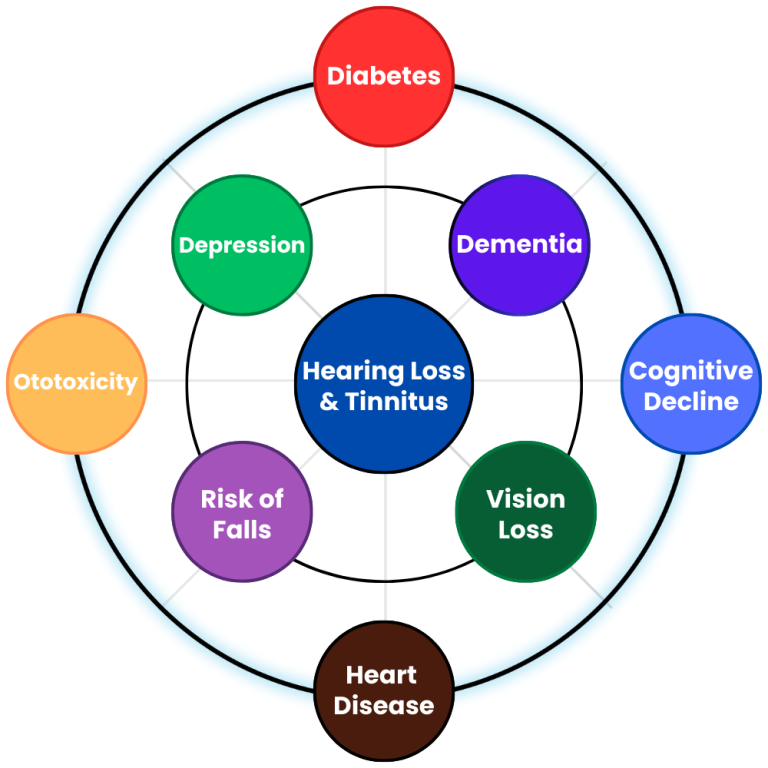
While the AirPods Pro 2 offer innovative features, they should not replace professional audiological care. The complexities of hearing loss and conditions like tinnitus require specialized attention that consumer devices, apps, or Google searches alone cannot provide. Addressing hearing health with a professional is essential, especially given its links to other significant health conditions such as dementia, cholesterol issues, and even vision problems.
As we embrace these technological advancements, it’s important to remember that the best approach to hearing health combines innovation with expert guidance. At Hope Hearing & Tinnitus Center, proudly serving Cedar Rapids, Iowa City, Waterloo, and surrounding areas, we offer comprehensive services, including cognitive screenings and personalized treatment plans, to help you optimize your hearing health and take proactive steps toward a healthier, more fulfilling life.